%2Ffit-in%2F250x250%2Fguide_websites%2F29842%2Fimages%2F1744431892255469417120_122141484800343162_6308242103289519099_n-removebg-preview.png&w=1920&q=100)
/users/c2bbb3d6-abc4-4e65-8e7d-ec5948418f56/ratecard/4094b1eb-f2e3-4842-a57a-daa22e806fa9.jpeg)
%2F300x300%2Fusers%2Fc2bbb3d6-abc4-4e65-8e7d-ec5948418f56%2Fratecard%2F4094b1eb-f2e3-4842-a57a-daa22e806fa9.jpeg&w=256&q=75)
%2F300x300%2Fusers%2Fc2bbb3d6-abc4-4e65-8e7d-ec5948418f56%2Fimages%2Fbest-fishing-getaway-wi-2691.jpg&w=256&q=75)
%2F300x300%2Fusers%2Fc2bbb3d6-abc4-4e65-8e7d-ec5948418f56%2Fimages%2Fcruising-fishing-wisconsin-2617.jpg&w=256&q=75)
%2F300x300%2Fusers%2Fc2bbb3d6-abc4-4e65-8e7d-ec5948418f56%2Fimages%2Ffishing-cruise-wisconsin-2424.jpg&w=256&q=75)
%2F300x300%2Fusers%2Fc2bbb3d6-abc4-4e65-8e7d-ec5948418f56%2Fimages%2Ffishing-trip-wisconsin-2609.jpg&w=256&q=75)
%2F300x300%2Fusers%2Fc2bbb3d6-abc4-4e65-8e7d-ec5948418f56%2Fimages%2Ffishing-cruise-port-washington-2618.jpg&w=256&q=75)
%2F300x300%2Fusers%2Fc2bbb3d6-abc4-4e65-8e7d-ec5948418f56%2Fimages%2Fwisconsin-fishing-adventure-2764.jpg&w=256&q=75)
%2F300x300%2Fusers%2Fc2bbb3d6-abc4-4e65-8e7d-ec5948418f56%2Fimages%2Fanglers-wisconsin-fishing-cruises-2702.jpg&w=256&q=75)
%2F300x300%2Fusers%2Fc2bbb3d6-abc4-4e65-8e7d-ec5948418f56%2Fimages%2Ffishing-expedition-wisconsin-2708.jpg&w=256&q=75)
%2F300x300%2Fusers%2Fc2bbb3d6-abc4-4e65-8e7d-ec5948418f56%2Fimages%2Fchinook-salmon-fishing-wisconsin-2561.jpg&w=256&q=75)
%2F300x300%2Fusers%2Fc2bbb3d6-abc4-4e65-8e7d-ec5948418f56%2Fimages%2Ffishing-fun-port-washington-2589.jpg&w=256&q=75)
Wisconsin Offseason Brown Trout | Fishin Da Net
 Lake Michigan
What you will be catching:
 Brown Trout
 Lake Trout
 Rainbow Trout
- Private offseason brown trout fishing with minimal crowds
- Personalized instruction for maximum two anglers per charter
- Flexible scheduling with weather-based rescheduling options
Trip Pricing and Availabilities:
Private Offseason Brown Trout Trips
When most anglers hang up their rods for the season, that's when brown trout fishing gets seriously good. These private offseason trips with Fishin Da Net Charter Fishing give you access to some of the best brown trout action of the year, when these fish are active, aggressive, and putting on weight for the colder months. With just two spots available per trip, you're getting a personalized experience that bigger charter operations just can't match. Whether you're a seasoned angler or someone looking to target trophy browns for the first time, these intimate outings deliver the kind of fishing memories that'll have you planning your return before you even get back to shore.
What to Expect on the Water
These aren't your typical summer fishing trips – offseason brown trout fishing is a whole different game, and that's exactly what makes it so rewarding. You can book either morning sessions or afternoon/evening trips, depending on weather conditions and what's working best that week. Morning trips often catch browns feeding after a night of hunting, while evening sessions can be pure magic when these fish start their twilight feeding sprees. The small group size means your captain can adapt tactics on the fly, switching spots or techniques based on what the fish are telling us. Weather plays a bigger role during offseason fishing, so trips may need to be rescheduled if conditions aren't safe or productive – but that's just part of targeting fish when they're at their absolute best. The pricing covers everything including sales tax, though a 20% gratuity is standard when your captain puts you on fish.
Techniques and Tackle
Offseason brown trout fishing requires a different approach than peak season tactics, and that's where having an experienced captain really pays off. Depending on conditions, you might be trolling with downriggers to reach browns holding in deeper, warmer water, or working the shallows with live bait when these fish move up to feed. Browns are notorious for being picky, so having multiple presentations ready is key – from flashy spoons that trigger aggressive strikes to more subtle offerings when these fish are being finicky. The gear is typically heavier than what you'd use for summer trout, as offseason browns are often bigger and stronger from months of feeding. Your captain will have all the tackle dialed in, from the right rod actions to handle hard-fighting fish to landing nets big enough for trophy-sized browns. The real skill comes in reading the water and understanding how weather patterns affect where these fish position themselves during the cooler months.
Top Catches This Season
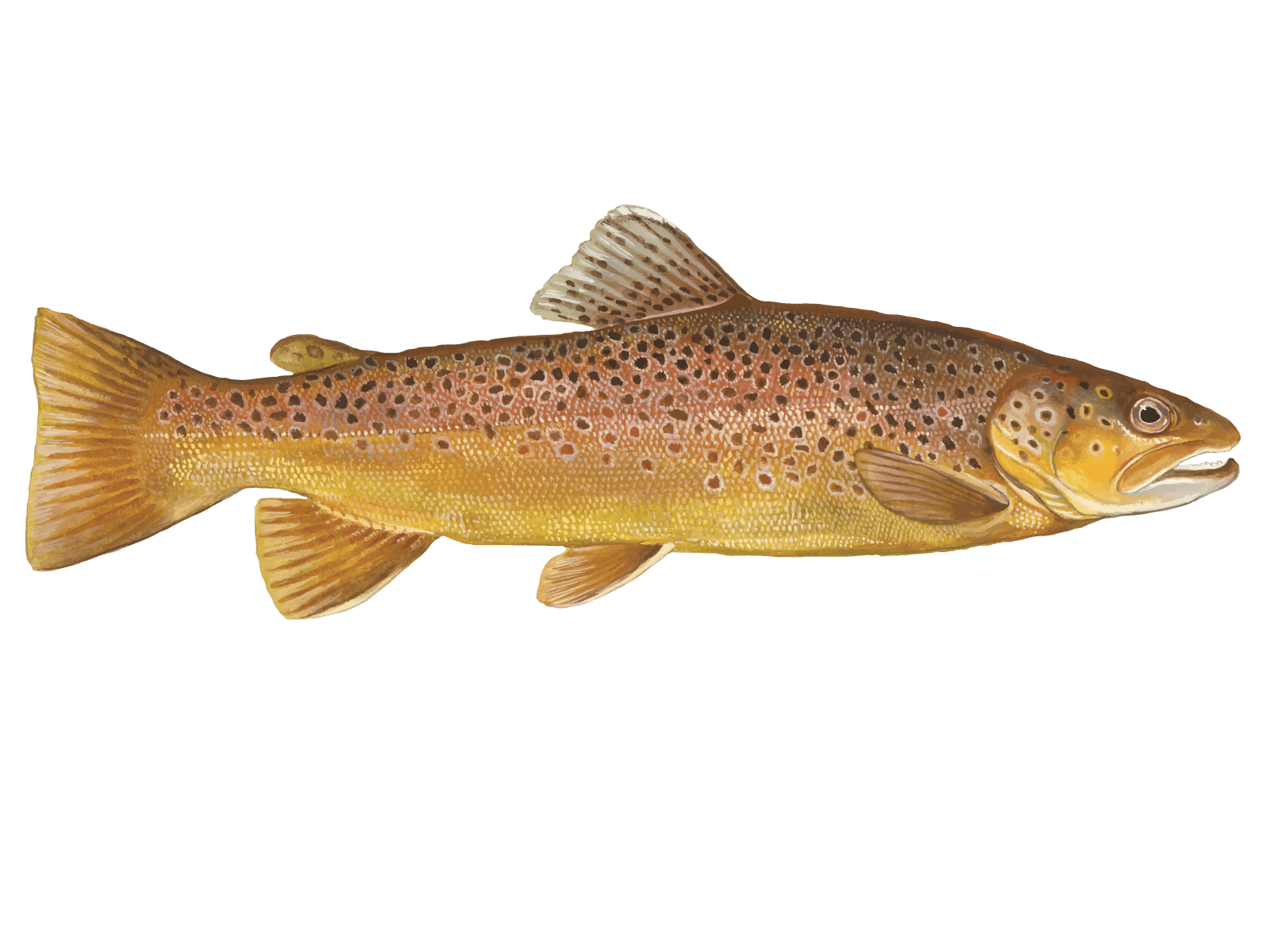
Brown trout are the main event on these trips, and for good reason – they're absolute bulldogs when hooked and make excellent table fare. These fish are known for their incredible fighting ability, often making long runs and acrobatic jumps that'll test your skills and get your heart pumping. During the offseason, browns typically range from solid eating-sized fish around 15-18 inches up to genuine trophies pushing 24 inches or more. What makes browns so special is their opportunistic feeding behavior; they'll smash everything from small minnows to crayfish, making them exciting to target with various techniques. The best action often comes during overcast days or low-light periods when browns feel more comfortable leaving their hiding spots to hunt.
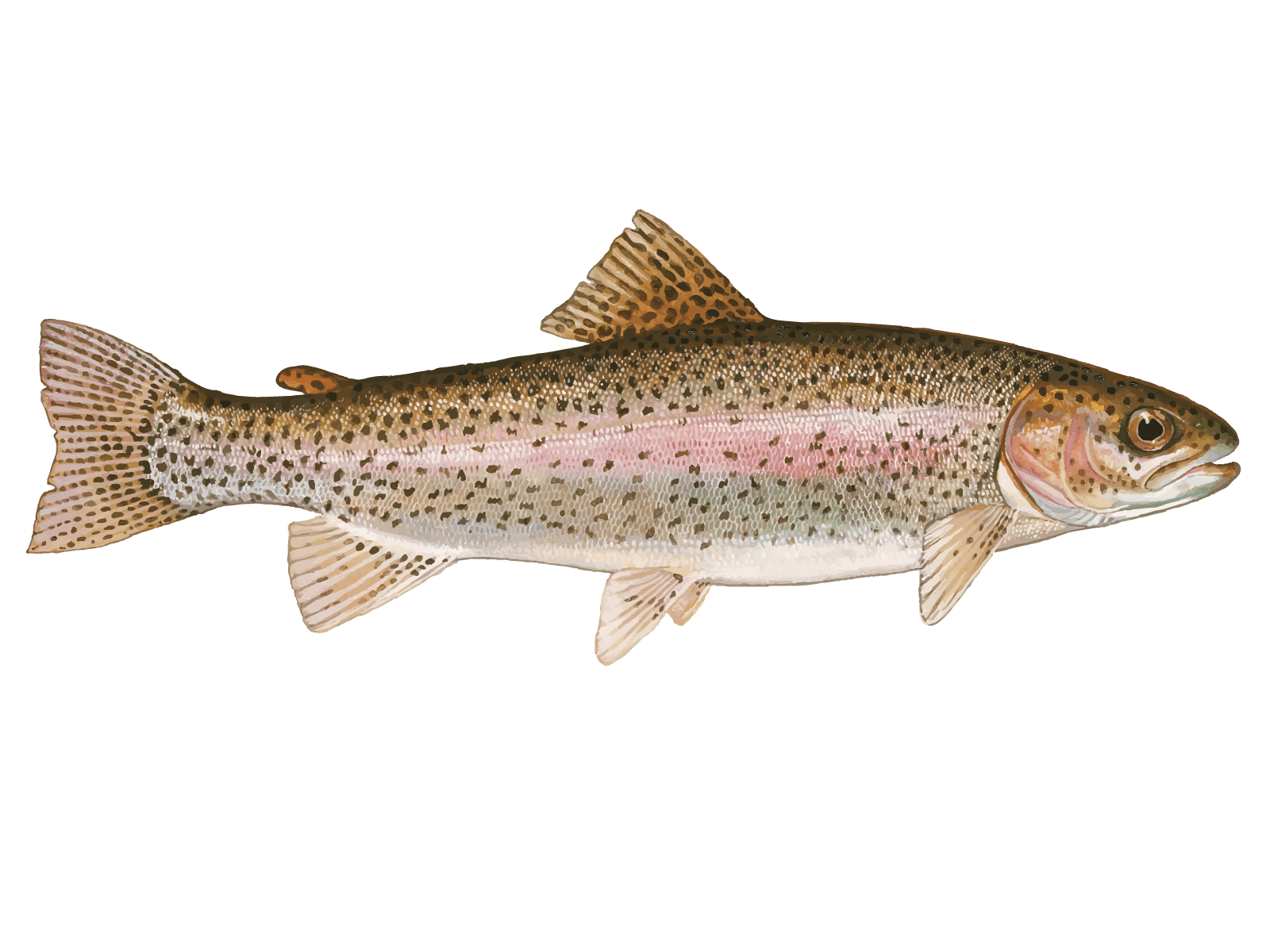
Rainbow trout add another dimension to these trips, bringing their own unique brand of excitement to the mix. Rainbows are famous for their aerial displays when hooked, often launching themselves completely out of the water in spectacular fashion. During offseason conditions, rainbows tend to school up more than browns, so when you find them, you can often enjoy steady action. These fish typically run slightly smaller than the browns but make up for it with pure energy and fighting spirit. They're also excellent eating, with firm, flaky meat that's perfect whether you're planning a shore lunch or taking them home for dinner.
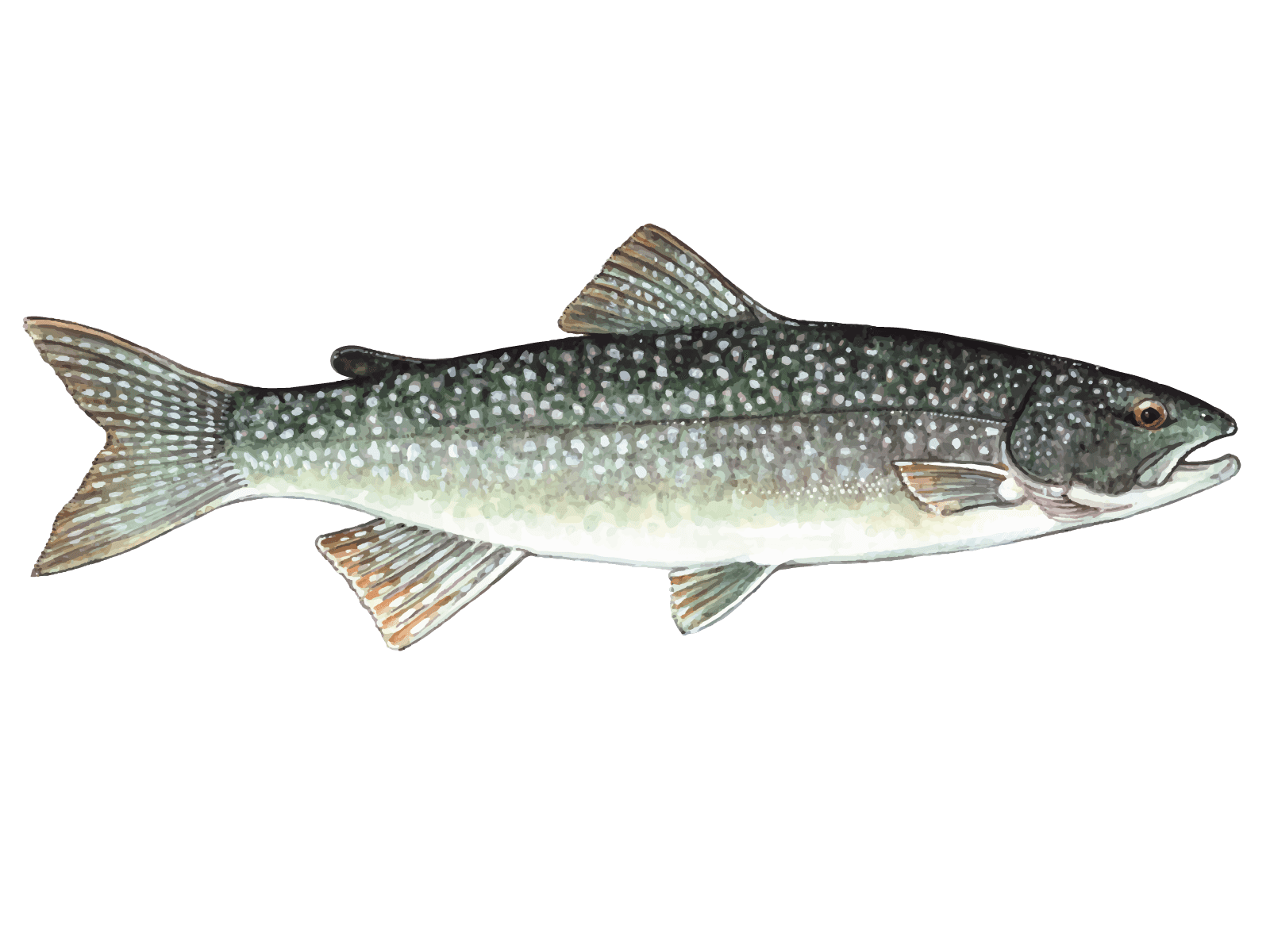
Lake trout round out the species mix and bring the potential for the biggest fish of the day. Lakers are deep-water specialists that really shine during cooler months when they're more active in fishable depths. These are the true heavyweights, with fish over 30 inches being a real possibility on any given trip. Lake trout fights are different from browns and rainbows – they're more about raw power and endurance than flashy jumps, often taking you on long, steady battles that really test your tackle and technique. Finding lake trout requires knowledge of underwater structure and temperature breaks, making them a perfect target for these personalized charter experiences where your captain can focus on the specific areas most likely to hold these giants.
Time to Book Your Spot
Offseason brown trout fishing represents some of the best value in freshwater angling – you're getting prime fishing conditions, personalized attention, and shots at trophy fish without the crowds and competition of peak season. These trips book by request only, so there's flexibility to work around your schedule and the weather patterns that make for the best fishing. With just two anglers per trip, you're not competing for rod time or dealing with the chaos that can come with larger groups. Contact Fishin Da Net Charter Fishing to set up your offseason adventure – whether you're looking to target your personal best brown trout or just want to experience some of the most consistent trout action of the year, these private trips deliver the kind of personalized fishing experience that keeps anglers coming back season after season.
Learn more about the animals
Brown Trout
Brown trout are smart, wary fish that'll test your skills. These golden-brown beauties typically run 8-24 inches and 1-9 pounds, though bigger ones lurk in deeper holes. They love cool, clear water around 54-65°F and hang near cover like overhanging banks, fallen logs, and rocky structure. Fall and winter are prime time when they feed aggressively, especially at night. What makes them special? They fight hard, taste fantastic, and challenge even experienced anglers with their cautious nature. Browns often refuse obvious presentations, so you need to think like they do. Here's a tip that works: during fall feeding sprees, try fishing streamers or crayfish patterns near structure just after sunset. They get bold in low light and will hammer a well-placed offering when they won't touch anything during the day.
Lake Trout
Lake trout are the giants of the char family and a completely different game than stream fishing. These deep-water predators commonly reach 15-40 pounds and 24-36 inches, with some monsters pushing 50+ pounds in northern waters. They live in cold, deep lakes with high oxygen levels, often suspended 50-150 feet down in summer. Spring right after ice-out is prime time when they move shallow, but overcast days work year-round since they avoid bright light. Lakers are prized for their size and the challenge of deep-water fishing - when a big one hits, it's a long, powerful fight from the depths. They're also excellent eating with firm, flaky meat. The key is vertical jigging with spoons or soft plastics that imitate wounded baitfish. Here's what works: drop your jig to bottom, reel up 10 feet, then work it with sharp snaps followed by long pauses. Lakers often hit on the drop.
Rainbow Trout
Rainbow trout are the classic game fish that got most of us hooked on trout fishing. These colorful fighters average 8-24 inches and 2-8 pounds, sporting that signature pink stripe down their silvery sides. You'll find them in fast-moving streams with gravel bottoms, plus cool lakes with good oxygen levels. They prefer water temps between 55-64°F and love hanging near vegetation and rocky areas. Spring through fall offers the best action, especially during morning and evening feeding times. What makes rainbows special? They're acrobatic fighters that leap and run when hooked, plus they taste great on the table. They're also more forgiving than browns, making them perfect for newer anglers. Pro tip: when they're rising to insects, match the hatch with dry flies, but if surface action is slow, try drifting nymphs just off the bottom where they do most of their feeding.