%2Ffit-in%2F250x250%2Fguide_websites%2F29842%2Fimages%2F1744431892255469417120_122141484800343162_6308242103289519099_n-removebg-preview.png&w=1920&q=100)
/users/c2bbb3d6-abc4-4e65-8e7d-ec5948418f56/ratecard/daveprotzmann1.jpg)
%2F300x300%2Fusers%2Fc2bbb3d6-abc4-4e65-8e7d-ec5948418f56%2Fratecard%2Fdaveprotzmann1.jpg&w=256&q=75)
%2F300x300%2Fusers%2Fc2bbb3d6-abc4-4e65-8e7d-ec5948418f56%2Fimages%2Fbest-fishing-getaway-wi-2691.jpg&w=256&q=75)
%2F300x300%2Fusers%2Fc2bbb3d6-abc4-4e65-8e7d-ec5948418f56%2Fimages%2Fcruising-fishing-wisconsin-2617.jpg&w=256&q=75)
%2F300x300%2Fusers%2Fc2bbb3d6-abc4-4e65-8e7d-ec5948418f56%2Fimages%2Ffishing-cruise-wisconsin-2424.jpg&w=256&q=75)
%2F300x300%2Fusers%2Fc2bbb3d6-abc4-4e65-8e7d-ec5948418f56%2Fimages%2Ffishing-trip-wisconsin-2609.jpg&w=256&q=75)
%2F300x300%2Fusers%2Fc2bbb3d6-abc4-4e65-8e7d-ec5948418f56%2Fimages%2Ffishing-cruise-port-washington-2618.jpg&w=256&q=75)
%2F300x300%2Fusers%2Fc2bbb3d6-abc4-4e65-8e7d-ec5948418f56%2Fimages%2Fwisconsin-fishing-adventure-2764.jpg&w=256&q=75)
%2F300x300%2Fusers%2Fc2bbb3d6-abc4-4e65-8e7d-ec5948418f56%2Fimages%2Fanglers-wisconsin-fishing-cruises-2702.jpg&w=256&q=75)
%2F300x300%2Fusers%2Fc2bbb3d6-abc4-4e65-8e7d-ec5948418f56%2Fimages%2Ffishing-expedition-wisconsin-2708.jpg&w=256&q=75)
%2F300x300%2Fusers%2Fc2bbb3d6-abc4-4e65-8e7d-ec5948418f56%2Fimages%2Fchinook-salmon-fishing-wisconsin-2561.jpg&w=256&q=75)
%2F300x300%2Fusers%2Fc2bbb3d6-abc4-4e65-8e7d-ec5948418f56%2Fimages%2Ffishing-fun-port-washington-2589.jpg&w=256&q=75)
Premium Lake Michigan Fishing | Port Washington
 Lake Michigan
What you will be catching:
 Brown Trout
 Chinook Salmon
 Coho Salmon
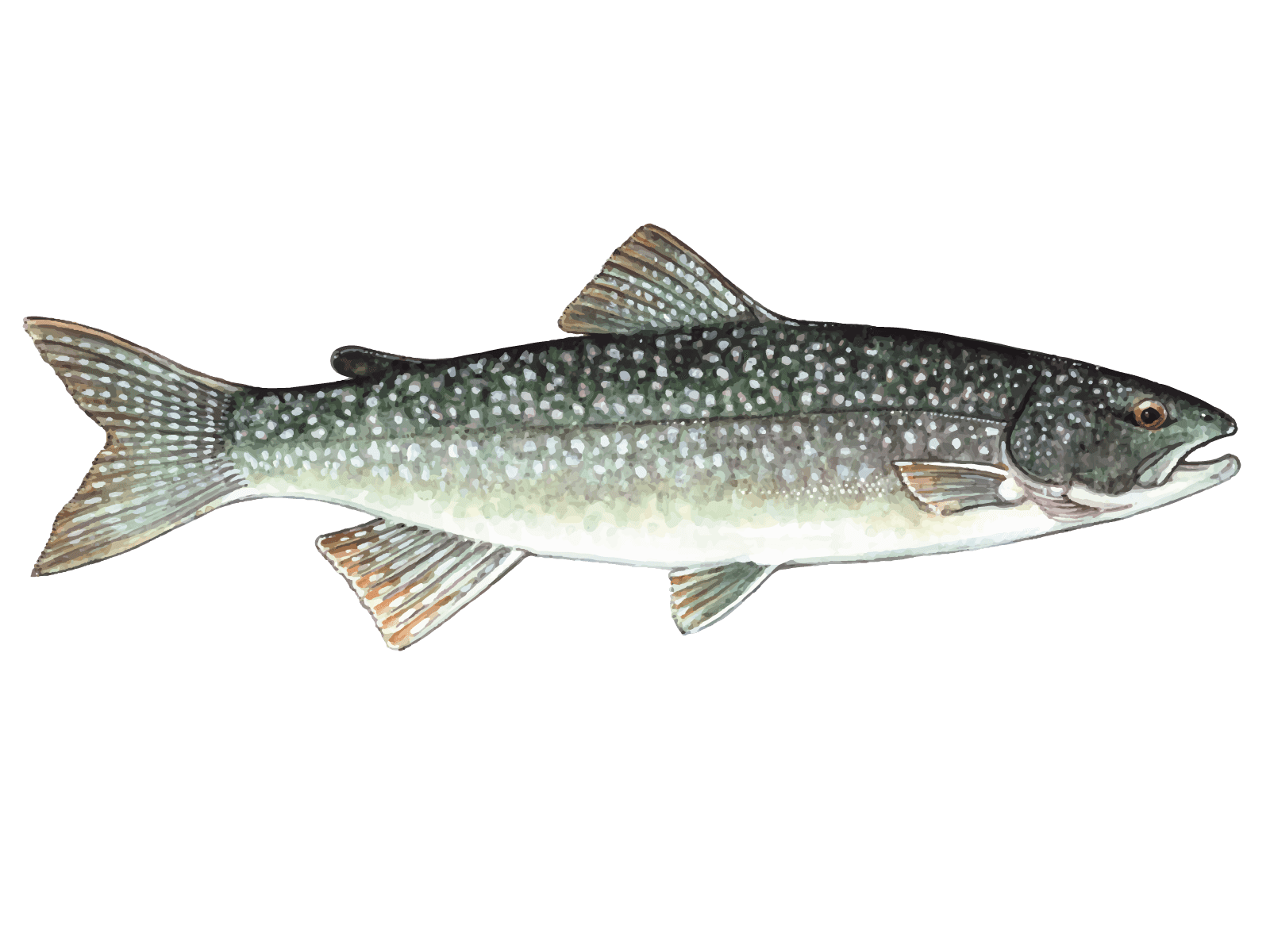
 Lake Trout
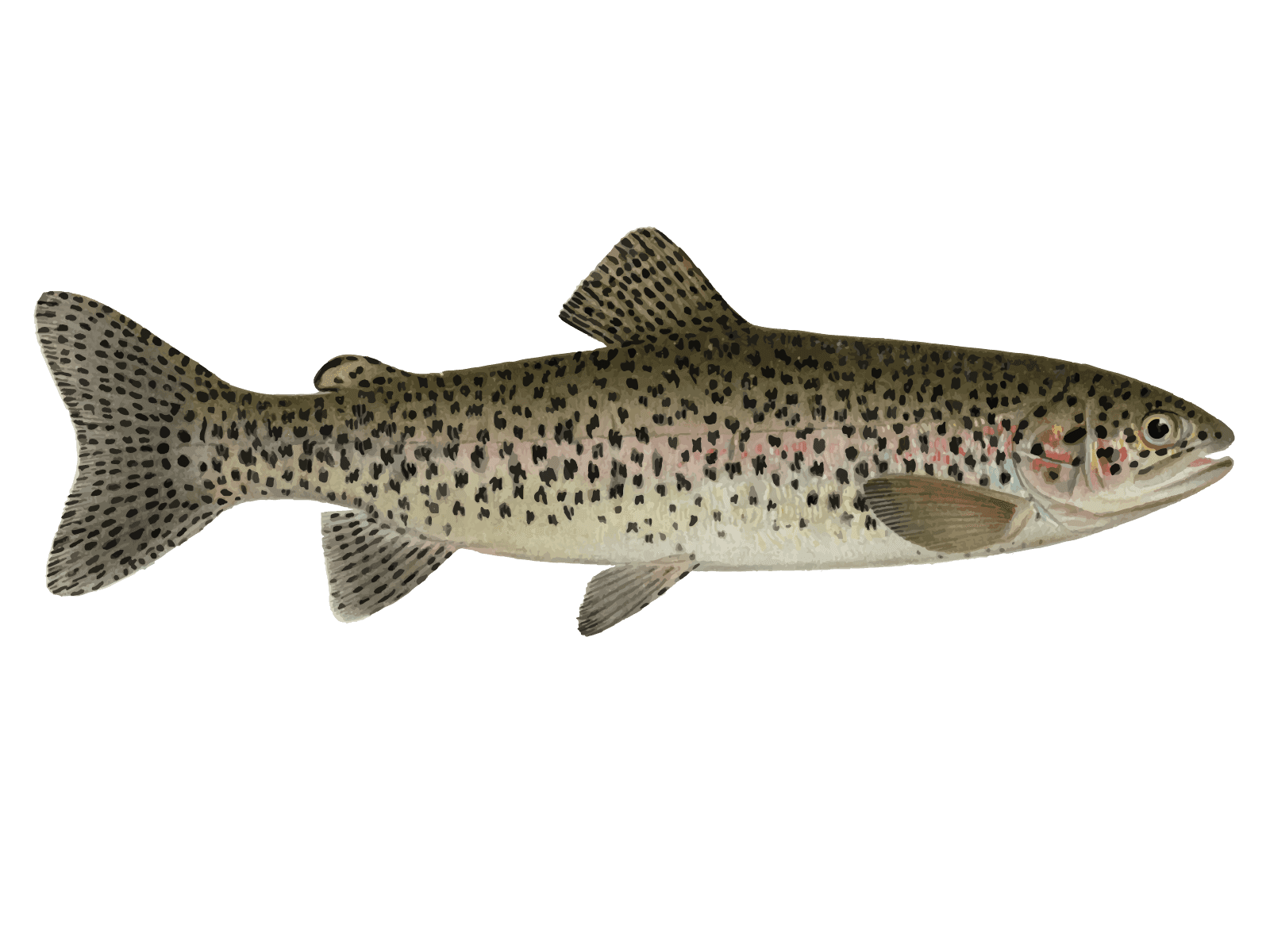
 Steelhead Trout
- 4-hour Lake Michigan fishing excursions from Port Washington with flexible scheduling
- Target five premium species including salmon, trout, and steelhead using trolling techniques
- Accommodates up to 5 passengers with expert captain guidance and local water knowledge
Trip Pricing and Availabilities:
Private 4-Hour Lake Fishing Trip | AM or PM
Looking for the perfect balance between a quality fishing experience and a flexible schedule? This 4-hour half-day charter on Lake Michigan hits that sweet spot. Whether you're a weekend warrior with limited time or a seasoned angler wanting to test the waters before committing to a longer trip, this Port Washington adventure delivers. You'll get the full Lake Michigan experience – trolling for trophy trout and salmon in some of Wisconsin's most productive waters – without burning your entire day. Morning and afternoon slots mean you can fish around work, family time, or other vacation plans.
What to Expect on the Water
Port Washington sits right in the heart of Lake Michigan's salmon and trout country, and this 4-hour window gives us plenty of time to get you into fish. We'll cruise out to the productive depths where these cold-water species hang out, usually anywhere from 80 to 200 feet down depending on the season and water temperature. The boat accommodates up to 5 anglers, making it perfect for small groups, couples, or families who want a more personal experience than those crowded party boats. Your captain knows these waters like the back of his hand and will adjust departure times based on current conditions – sometimes the morning bite is hot, other times the afternoon produces better. Trust me, flexibility pays off out here.
Trolling Tactics & Setup
We're talking serious trolling here – multiple lines running at different depths with downriggers, planer boards, and leadcore setups. Don't worry if that sounds like Greek to you; the crew handles all the technical stuff while you focus on fighting fish. We'll be pulling spoons, plugs, and flies behind dodgers at speeds between 2 and 4 mph, covering water methodically until we find where the fish are holding. Lake Michigan trout and salmon are constantly moving, following baitfish and temperature breaks, so we stay mobile and adapt throughout the trip. The gear is all provided – heavy-duty rods and reels that can handle everything from scrappy cohos to tank-like lake trout. All you need to bring is your fishing license and maybe some snacks since meals aren't included on these shorter trips.
Top Catches This Season
Coho Salmon are the bread and butter of Lake Michigan fishing, especially during their peak runs from July through September. These silver rockets average 3 to 8 pounds but fight way above their weight class. When a coho hits your line, you'll know it – they make blistering runs and jump like tarpon. They're perfect for beginners because they're aggressive feeders and relatively easy to land, but experienced anglers love them for their acrobatic fights.
Steelhead Trout bring a whole different energy to the table. These chrome-bright fighters can push 10 pounds or more and are famous for their aerial displays. Spring and fall are prime time for steelhead, when they're staging near river mouths preparing for their spawning runs. Land one of these beauties and you'll understand why they have such a cult following among Great Lakes anglers.
Chinook Salmon are the true kings of Lake Michigan – massive, powerful fish that can exceed 20 pounds. Peak season runs from late July through early September when mature chinooks return to their natal streams. Fighting a big king salmon is like being hooked to a freight train; they'll strip drag and test your endurance. Even smaller chinooks in the 8 to 12-pound range provide an amazing battle.
Brown Trout might be the smartest fish swimming in these waters, and definitely the most beautiful with their golden flanks and dark spots. They're often the biggest trout you'll encounter, with fish over 15 pounds caught regularly. Browns can be moody – sometimes they're aggressive, other times they're finicky about presentation. That's what makes them so rewarding to catch.
Lake Trout are the deep-water specialists, often found in 100+ feet of water hugging the bottom structure. These native char can live for decades and grow huge – 15 to 25-pound lakers aren't uncommon. They're powerful fighters that prefer to slug it out in the depths rather than jump, giving you a different kind of battle that tests your tackle and patience.
Time to Book Your Spot
Four hours on Lake Michigan gives you a genuine taste of what makes this fishery so special without the full-day commitment. You'll work multiple species, learn the fundamentals of Great Lakes trolling, and hopefully put some quality fish in the cooler. The flexible timing means you can plan around other activities, whether you're visiting Port Washington for the weekend or you're a local looking to sneak away for some mid-week action. Morning trips often produce better fishing due to calmer conditions and more active fish, but afternoon slots can be just as productive and offer stunning sunset views on the return trip. Don't sleep on this one – Lake Michigan fishing has been hot lately, and these half-day trips book up fast during peak season.
Learn more about the species
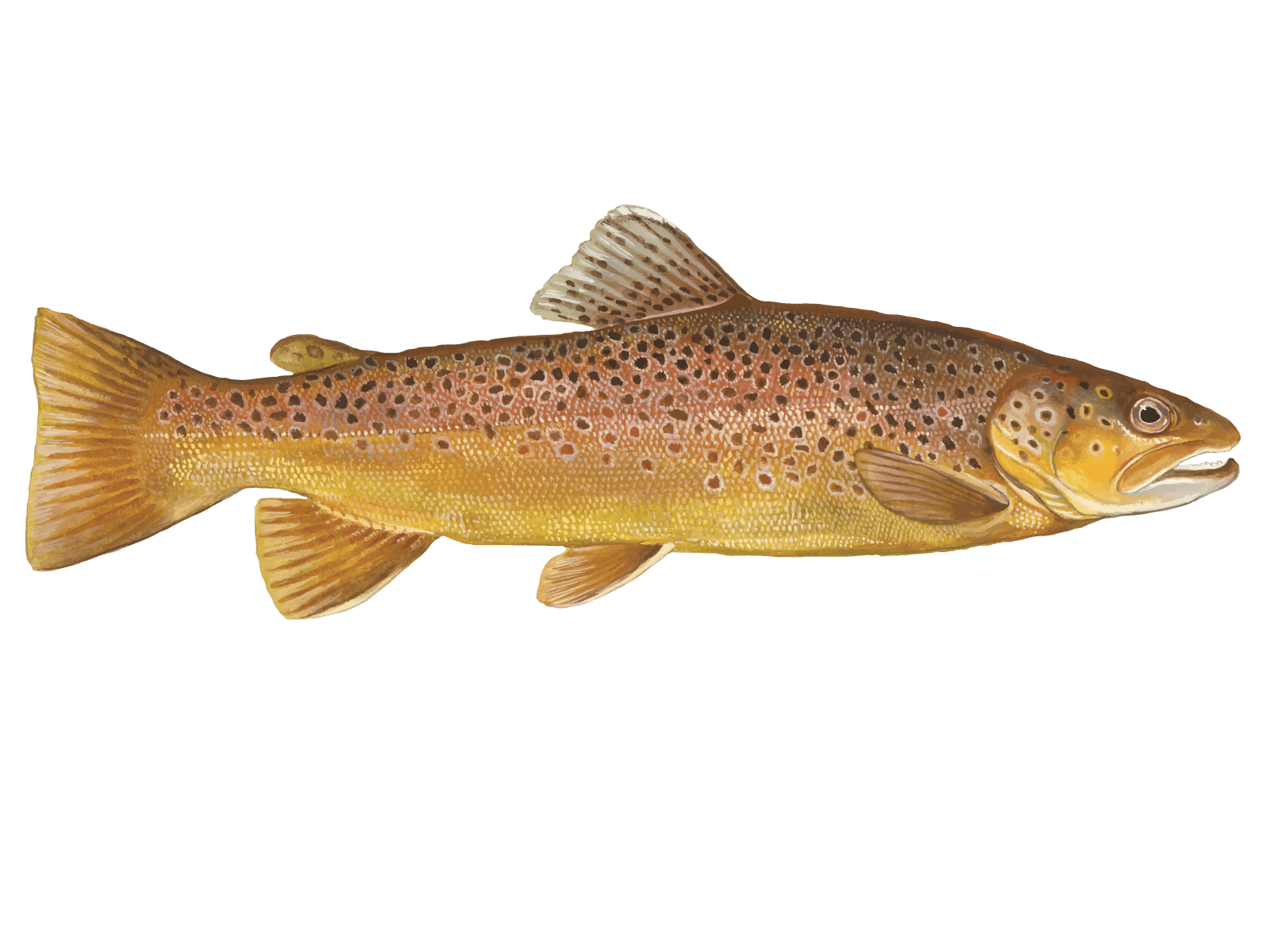
Brown Trout
Brown trout are the smartest fish in Lake Michigan and probably the most challenging to consistently catch, which is exactly why seasoned anglers love targeting them. These golden-brown beauties with black spots typically range 3-8 pounds, though we see some real toads pushing 15+ pounds. They're homebodies that like structure - rocky points, drop-offs, and areas with cover. Unlike salmon that roam the open water, browns often stick close to shore in 20-80 feet of water. Fall is prime time when they feed aggressively at night and early morning. The meat is firm and mild, making excellent table fare. What makes browns special is their wariness - they've been fooled before and won't make the same mistake twice. They prefer natural presentations and will often follow lures for long distances before deciding to strike. My local secret: focus on areas where streams enter the lake during fall - browns stage there waiting for baitfish.
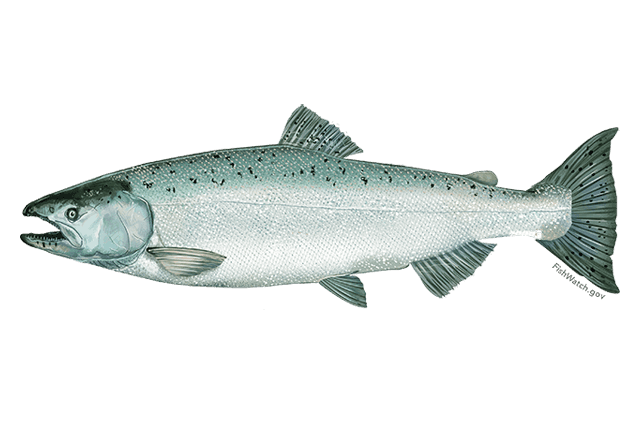
Chinook Salmon
Chinook salmon, known as "Kings," are the heavyweights of Lake Michigan and the reason many anglers book their first charter. These bruisers average 15-20 pounds but can easily hit 30+ pounds. They're light-sensitive fish that prefer deeper water during bright days, usually found in 80-200 feet. Kings have that classic salmon look with silver sides, blue-green backs, and black spots covering their head and fins. Early morning and evening bites are typically best, though overcast days can keep them active all day. What makes them so popular is the combination of size, fight, and that rich orange-pink meat that's perfect for smoking or grilling. Late spring through early fall is peak season when they're feeding heavily. My go-to tip: when kings are being finicky, try running your downriggers at different speeds - sometimes slowing down to 1.8-2.2 mph triggers strikes when standard trolling speeds won't.
Coho Salmon
Coho salmon, also called "silver salmon," are some of the most acrobatic fighters you'll encounter on Lake Michigan. These beauties typically run 8-12 pounds with their distinctive silver sides and dark blue-green backs dotted with black spots. What makes them special is their willingness to jump - they can leap up to 6 feet out of the water when hooked. We usually target them in 40-120 feet of water, trolling spoons and plugs. Spring through early summer is prime time when they're actively feeding in the upper water column. The meat has that bright orange color and excellent flavor that makes them a favorite for the dinner table. Pro tip: when a coho jumps, keep your rod tip down and let the drag do the work - trying to muscle them will usually end with a thrown hook.
Lake Trout
Lake trout are the native kings of the Great Lakes and the largest member of the char family. These prehistoric-looking fish with gray-green coloring and cream-colored spots typically run 15-25 pounds, though 30-40 pounders aren't rare. They're deep-water specialists, usually found in 100-300 feet of water where it stays cold year-round. Lakers are built for the depths - they have that torpedo shape and prefer water temperatures in the 40s and 50s. Spring right after ice-out and late fall are your best bets when they move shallower to feed. What guests love is their steady, powerful fight - no jumping, just pure bulldogging strength. The meat is rich and oily, great for smoking. Since they're slow-growing fish that can live 40+ years, we practice selective harvest to keep the fishery strong. Pro tip: when jigging for lakers, use a slow, methodical approach - they're not aggressive strikers, so let the bait work in their face and be ready for subtle bites.
Steelhead Trout
Steelhead are basically rainbow trout that have spent time in the big lake, which makes them stronger, more streamlined, and silvery compared to their freshwater cousins. These fish average 24 inches but can push much larger, and they're absolute bulldogs when hooked. They prefer the cooler water temperatures we get in spring and fall, often holding in 60-150 feet of water during the warmer months. What guests love about steelhead is their endurance - they'll make long, powerful runs that really test your drag system. The meat is pink and flaky, perfect for grilling. Mid-fall through spring gives you the best shot at hooking one. Here's a local trick: when the water temperature hits that 45-55 degree range, focus your efforts near thermal breaks where warm and cold water meet - that's where steelhead like to cruise.
About the Fishin Da Net
%2F%2Fusers%2Fc2bbb3d6-abc4-4e65-8e7d-ec5948418f56%2Fvehicle_picture%2F2f3c34b9c7140003f791cec25c23d269.jpg&w=1920&q=75)
Vehicle Guest Capacity: 5
Manufacturer Name: Mercruiser
Maximum Cruising Speed: 25
Number of Engines: 2
Horsepower per Engine: 205