%2Ffit-in%2F250x250%2Fguide_websites%2F29842%2Fimages%2F1744431892255469417120_122141484800343162_6308242103289519099_n-removebg-preview.png&w=1920&q=100)
/users/c2bbb3d6-abc4-4e65-8e7d-ec5948418f56/ratecard/tttttt.jpg)
%2F300x300%2Fusers%2Fc2bbb3d6-abc4-4e65-8e7d-ec5948418f56%2Fratecard%2Ftttttt.jpg&w=256&q=75)
%2F300x300%2Fusers%2Fc2bbb3d6-abc4-4e65-8e7d-ec5948418f56%2Fimages%2Fbest-fishing-getaway-wi-2691.jpg&w=256&q=75)
%2F300x300%2Fusers%2Fc2bbb3d6-abc4-4e65-8e7d-ec5948418f56%2Fimages%2Fcruising-fishing-wisconsin-2617.jpg&w=256&q=75)
%2F300x300%2Fusers%2Fc2bbb3d6-abc4-4e65-8e7d-ec5948418f56%2Fimages%2Ffishing-cruise-wisconsin-2424.jpg&w=256&q=75)
%2F300x300%2Fusers%2Fc2bbb3d6-abc4-4e65-8e7d-ec5948418f56%2Fimages%2Ffishing-trip-wisconsin-2609.jpg&w=256&q=75)
%2F300x300%2Fusers%2Fc2bbb3d6-abc4-4e65-8e7d-ec5948418f56%2Fimages%2Ffishing-cruise-port-washington-2618.jpg&w=256&q=75)
%2F300x300%2Fusers%2Fc2bbb3d6-abc4-4e65-8e7d-ec5948418f56%2Fimages%2Fwisconsin-fishing-adventure-2764.jpg&w=256&q=75)
%2F300x300%2Fusers%2Fc2bbb3d6-abc4-4e65-8e7d-ec5948418f56%2Fimages%2Fanglers-wisconsin-fishing-cruises-2702.jpg&w=256&q=75)
%2F300x300%2Fusers%2Fc2bbb3d6-abc4-4e65-8e7d-ec5948418f56%2Fimages%2Ffishing-expedition-wisconsin-2708.jpg&w=256&q=75)
%2F300x300%2Fusers%2Fc2bbb3d6-abc4-4e65-8e7d-ec5948418f56%2Fimages%2Fchinook-salmon-fishing-wisconsin-2561.jpg&w=256&q=75)
%2F300x300%2Fusers%2Fc2bbb3d6-abc4-4e65-8e7d-ec5948418f56%2Fimages%2Ffishing-fun-port-washington-2589.jpg&w=256&q=75)
Wisconsin Inland Fishing | Expert-Guided Trips
 Lake Michigan
What you will be catching:
 Brown Trout
 Chinook Salmon
 Coho Salmon
 Lake Trout
 Rainbow Trout
- Customized freshwater fishing on Wisconsin's pristine lakes and rivers
- Flexible scheduling with morning or evening trip options available
- All-inclusive service targeting local species based on skill level
Trip Pricing and Availabilities:
Private Inland Fishing Trips Wisconsin
Wisconsin's inland waters hold some serious surprises, and our private fishing trips put you right where the action happens. Whether you're after that morning bite or prefer the evening window when fish get active, we'll customize your day around what works best. These aren't your typical crowded charter experiences – just you, your fishing buddy, and pristine lakes that most folks drive right past without knowing what swims beneath the surface. We keep things flexible because the best fishing doesn't always follow a schedule, and local knowledge makes all the difference between stories and empty coolers.
What to Expect on the Water
Your private inland adventure starts with just two anglers max, which means plenty of elbow room and personal attention to technique. We're talking about Wisconsin's hidden gems here – those calm, crystal-clear lakes where you can actually watch trout cruise the shallows and see salmon rolling in deeper water. Morning trips usually kick off around sunrise when the water's still glassy and fish are actively feeding near structure. Evening sessions are pure magic, especially during summer months when the surface temperature drops and bigger fish move into shallower zones. You'll have access to prime spots that take years to discover on your own, plus we handle all the logistics so you can focus on what matters most – getting fish to the net. Weather can change plans quickly in Wisconsin, but we'll always reschedule rather than send you out in conditions that won't produce fish or keep you comfortable.
Techniques & Tackle Setup
Inland fishing here is all about reading water and matching your presentation to what fish want that particular day. We run light tackle setups perfect for feeling every bump and headshake, whether you're working structure with jigs or trolling open water for suspended fish. Downriggers come into play when targeting deeper thermoclines where lake trout and salmon hang out during warmer months. Spring calls for different approaches – think slower presentations near spawning areas and tributary mouths where fish stage before runs. Summer fishing shifts to deeper water and requires understanding how oxygen levels and temperature layers affect fish behavior. Fall brings some of the year's best action as fish feed heavily before winter, and we adjust techniques to match their aggressive feeding patterns. All gear is included, but if you have favorite rods or lucky lures, bring them along – local knowledge combined with your personal confidence often creates the perfect recipe for memorable days.
Species You'll Want to Hook
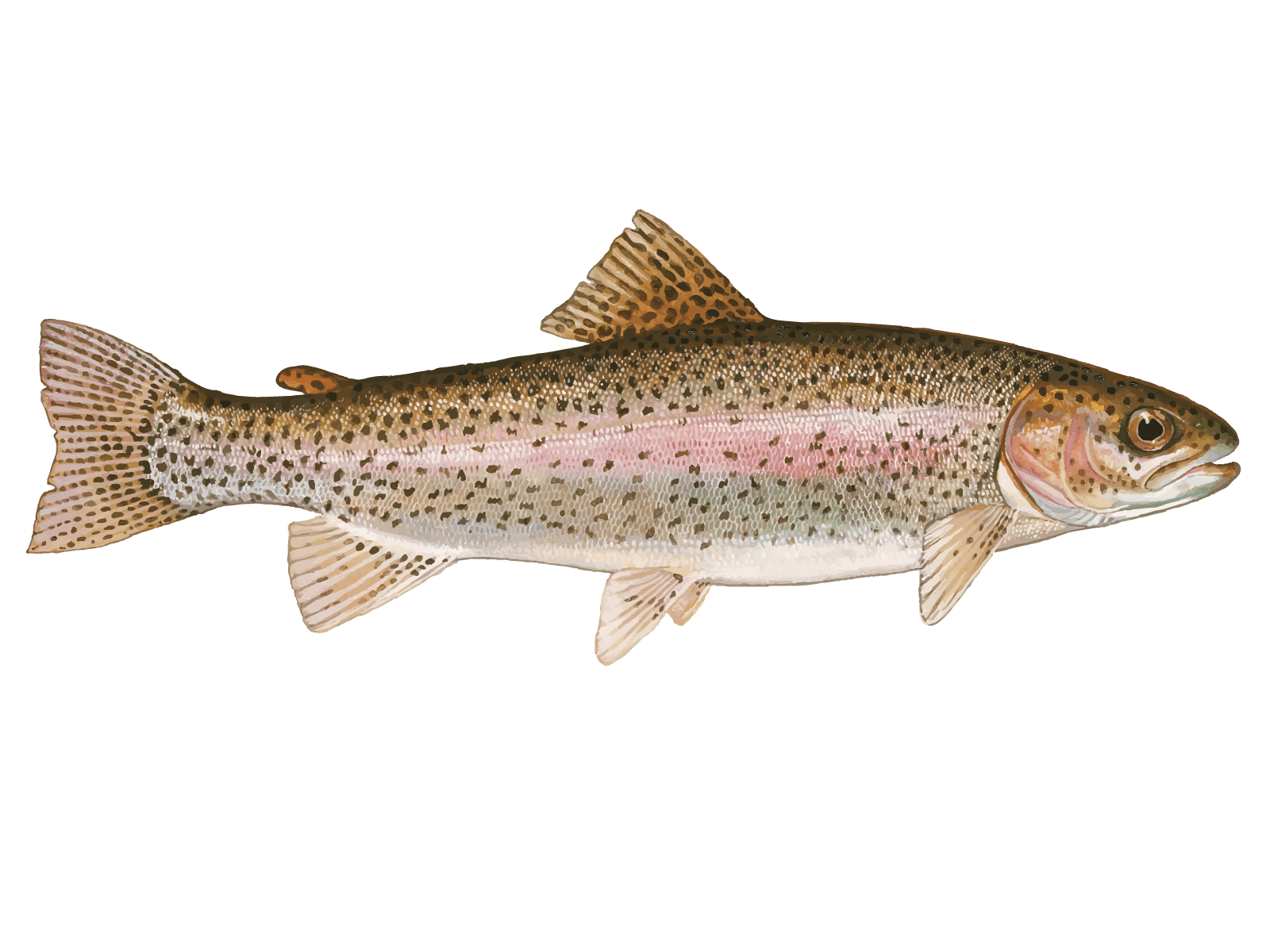
Rainbow trout in Wisconsin's inland waters are scrappy fighters that love cool, oxygen-rich zones near springs and inlets. These beauties typically run 12-18 inches with occasional specimens pushing over 20 inches, especially in lakes with robust forage bases. Spring and fall offer prime opportunities when rainbows move shallow to feed, making them accessible on lighter tackle. What makes them special here is their willingness to hit everything from small spinners to larger streamers, and their aerial displays when hooked never get old. The pink stripe and silvery sides make them Instagram-worthy, but the way they bend rods keeps anglers coming back for more.
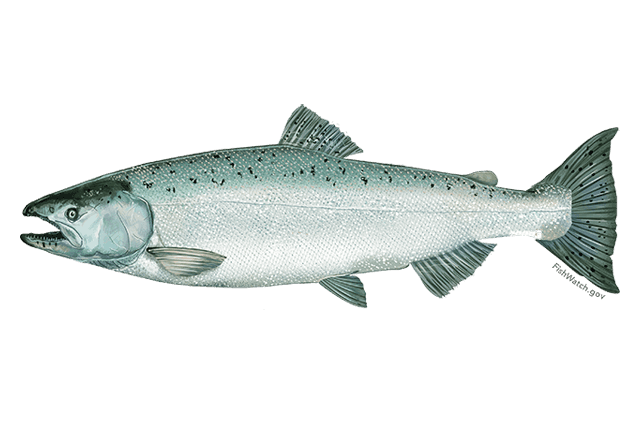
Coho salmon, or silvers as many call them, bring serious excitement to Wisconsin's inland scene. These fish average 3-8 pounds but fight like they're twice that size, using their speed and acrobatic ability to test your drag system. Peak season runs from late spring through early fall when they're actively feeding on baitfish in open water. Cohos love trolled presentations and often hit lures with aggressive strikes that'll wake you up fast. Their chrome-bright sides and dark backs make them beautiful fish, but it's their habit of jumping clear out of the water multiple times during fights that creates those heart-pounding moments every angler lives for.
Chinook salmon represent the heavyweight division of Wisconsin inland fishing, with mature fish reaching 15-30 pounds in prime waters. These kings prefer deeper, cooler zones during summer months but can be found in shallower areas during spring and fall transitions. Chinooks are known for powerful, sustained runs rather than jumping, making fights a test of endurance and technique. The best action typically happens when water temperatures hit that sweet spot between 50-60 degrees. Landing a big king on inland waters feels different than ocean fishing – the confined space means every run and turn gets magnified, creating battles that can last 20 minutes or more.
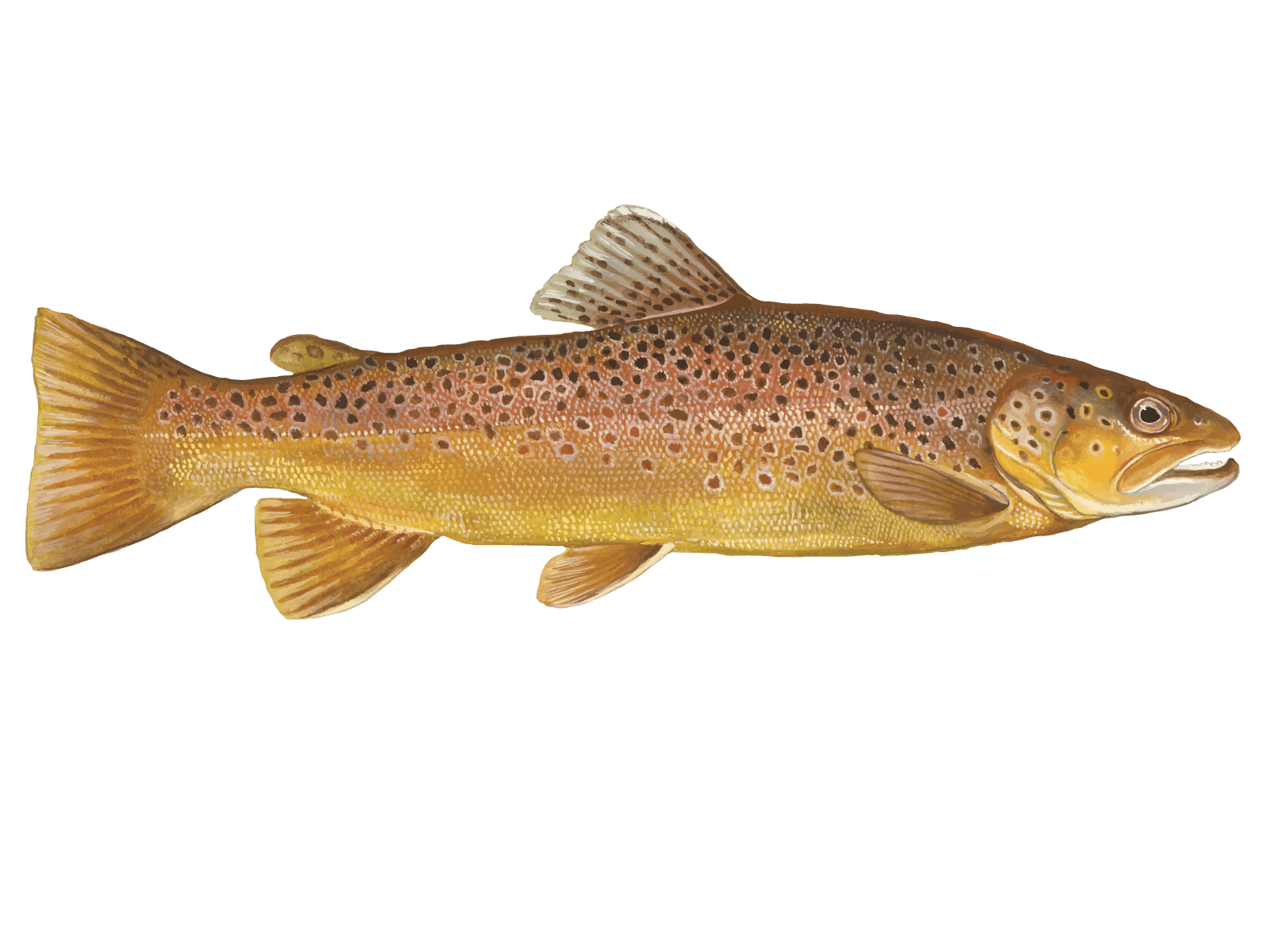
Brown trout are the smartest fish swimming in Wisconsin's inland waters, making them incredibly rewarding to catch but challenging to consistently fool. These fish can live over a decade and grow beyond 25 inches, developing feeding patterns that require patience and skill to crack. Browns often feed at dawn and dusk, making them perfect targets for our flexible scheduling. They're ambush predators that relate to cover – fallen trees, weed edges, and drop-offs hold the biggest specimens. What sets Wisconsin browns apart is their willingness to eat larger prey, meaning you can throw substantial lures and streamers that would spook other trout species.
Lake trout thrive in Wisconsin's deeper, colder inland waters and represent some of the longest-lived fish you'll encounter. These prehistoric-looking beauties can exceed 30 inches and live for decades, making every mature fish a special catch. Lakers typically hold in 40-80 foot depths during summer, requiring downrigger techniques and fish finders to locate consistently. Spring and fall bring them shallower, creating opportunities for more traditional fishing methods. Their mottled green and gray coloration with cream spots makes them distinctive, while their preference for deep, clear water means you're fishing some of Wisconsin's most pristine environments. The steady, powerful fight of a big lake trout perfectly matches the serene beauty of the waters they call home.
Time to Book Your Spot
Private inland trips offer something you won't find on bigger charters – the chance to really dial in techniques and spend quality time on fish without crowds or time pressure. These waters produce year-round, but each season brings different opportunities and challenges that make repeat trips worthwhile. Pricing includes sales tax upfront, so no surprises, and while tips aren't required, the standard 20% gratuity for great service helps keep your guide
Learn more about the species
Brown Trout
Browns are the smartest trout in the water - they didn't get that reputation by being easy. These golden-brown beauties with black spots typically run 12-18 inches and are known for being extremely cautious. They love hiding under overhangs, around fallen trees, and in deep pools during daylight hours. Fall brings out their aggressive feeding, but they bite year-round if you're patient. What makes them special is the challenge - catching a good brown feels like you really earned it. The meat is excellent with a slightly richer flavor than rainbows. Night fishing can be deadly effective, especially in fall when they feed heavily before winter. Try crawfish patterns or streamers near structure.
Chinook Salmon
Kings are the heavyweights of the salmon world - we're talking 15-25 pound fish that'll put serious bend in your rod. They prefer deeper, colder water and tend to hug the bottom, especially during bright conditions. Early morning and evening fishing produces best, with spring and fall runs offering prime opportunities. What sets kings apart is their raw power and that rich, orange-red meat that's second to none on the table. They're light-sensitive fish, so get your bait down deep. Pro tip: when targeting chinooks, use heavier tackle than you think you need and keep your offerings near the bottom. These bruisers will test every knot and connection you've got.
Coho Salmon
Silver salmon are pure dynamite when hooked - they'll jump clear out of the water and make runs that'll test your drag. Most cohos we see range 12-20 inches and pack serious muscle for their size. They cruise our deeper lakes and river mouths, often suspended mid-water or near drop-offs. Fall migration brings the hottest action, but they're catchable through summer too. Guests love the acrobatic fights and that bright orange meat that's perfect for the grill. These fish can be picky about presentation, so here's what works: try bright spoons or spinners, but vary your retrieve speed until you find what they want. Sometimes a slow, steady pull outfishes fast action by a mile.
Lake Trout
Lakers are the deep-water giants of our cold lakes, with fish commonly hitting 20-30 pounds and fighting like freight trains. They live in the coldest, deepest parts of our big lakes - often 50-100 feet down in summer. Spring right after ice-out is prime time when they move shallow to feed. What guests love is the sheer size and that steady, powerful fight that can last 20 minutes. The meat is rich and oily, perfect for smoking. These fish are all about location and depth - you've got to find the thermocline where the water stays cold. Jigging works best, but here's the key: use heavy spoons and work them right off the bottom in deep basins.
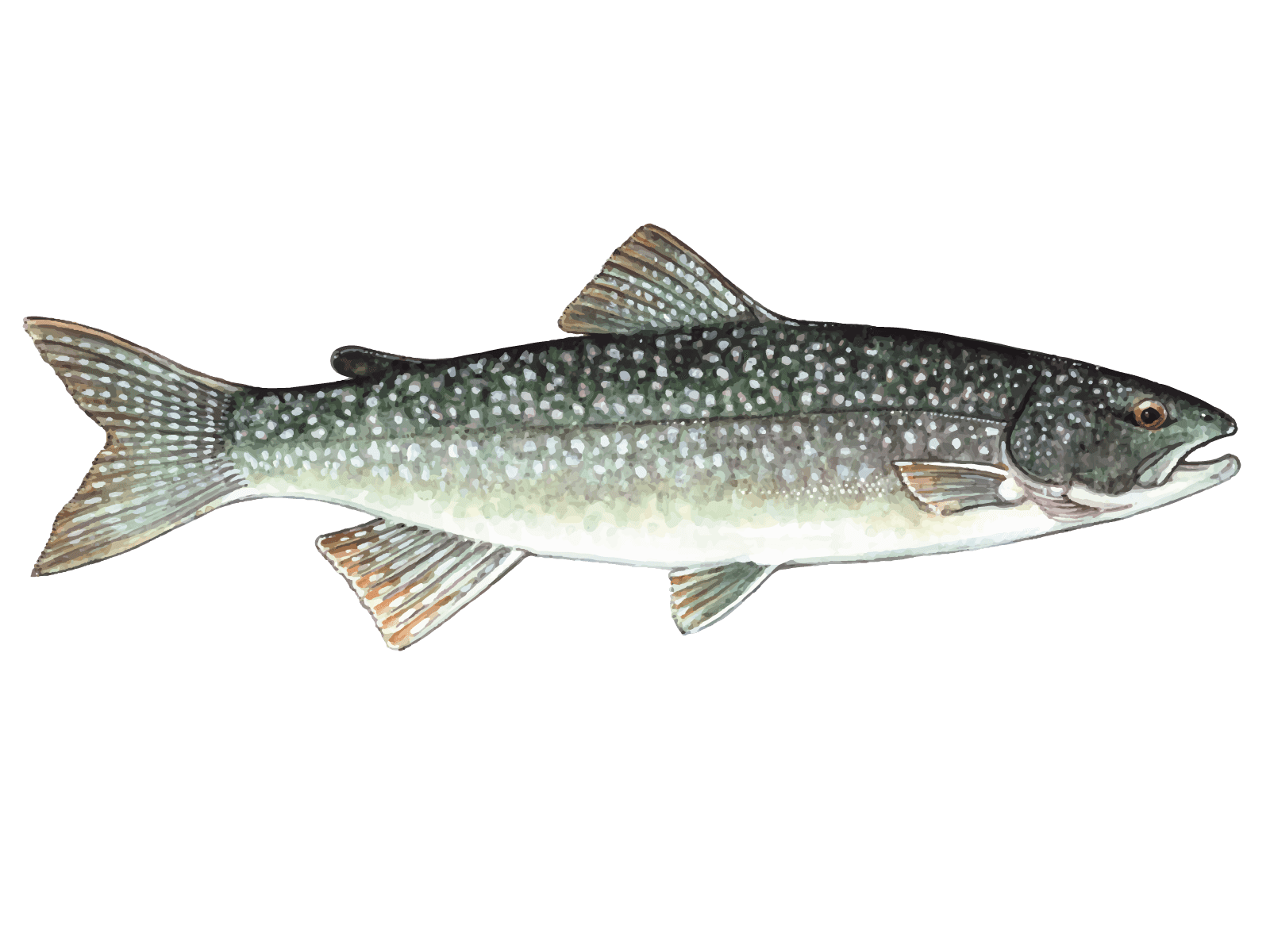
Rainbow Trout
These beauties are what most folks think of when they picture trout fishing. Rainbows typically run 12-16 inches in our waters, with that classic pink stripe and spotted pattern. They love cool, clean streams with good current and plenty of cover like fallen logs or undercut banks. Spring through early fall gives you the best action, especially during cooler parts of the day. What makes them special is their fight - they'll jump, run, and give you a real workout on light tackle. The meat is excellent too, with that mild, clean taste. Here's a local trick: when the water warms up in summer, focus on deeper pools and fish early morning or late evening when they're most active.